
History
For 130 years, Phantom Lake YMCA Camp (PLYC) has touched the lives of thousands of children from the United States and around the world. It is the oldest YMCA Camp in North America. PLYC is a place where campers go to get away from the “real world.” Many people might consider PLYC to be a place, untouched by the world around it. However that does not mean that it has not been affected by historical events and an ever-changing society. Some events affected camp more than others, but none of them, not even the Great Depression or pandemics, managed to close the camp down for an entire season. It has also changed with society, starting up new programs and ending old ones, but nothing so drastic as to give the camp a different look or feel.
Camp Through the Years
1893
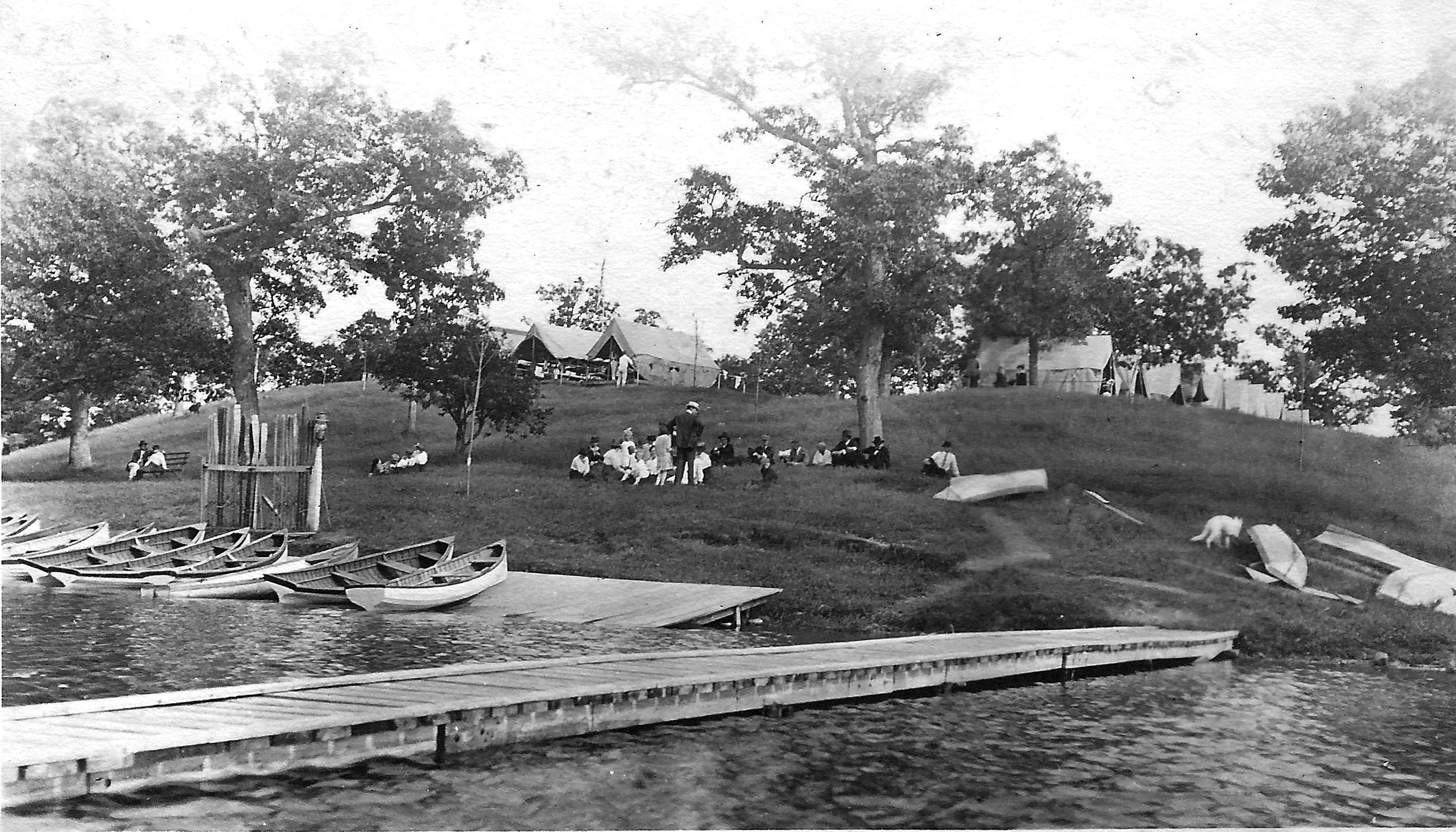
Camp Hope was held near Menomonee Falls, WI at Lake Five and later moved to several other lakeside campsites in the surrounding areas.
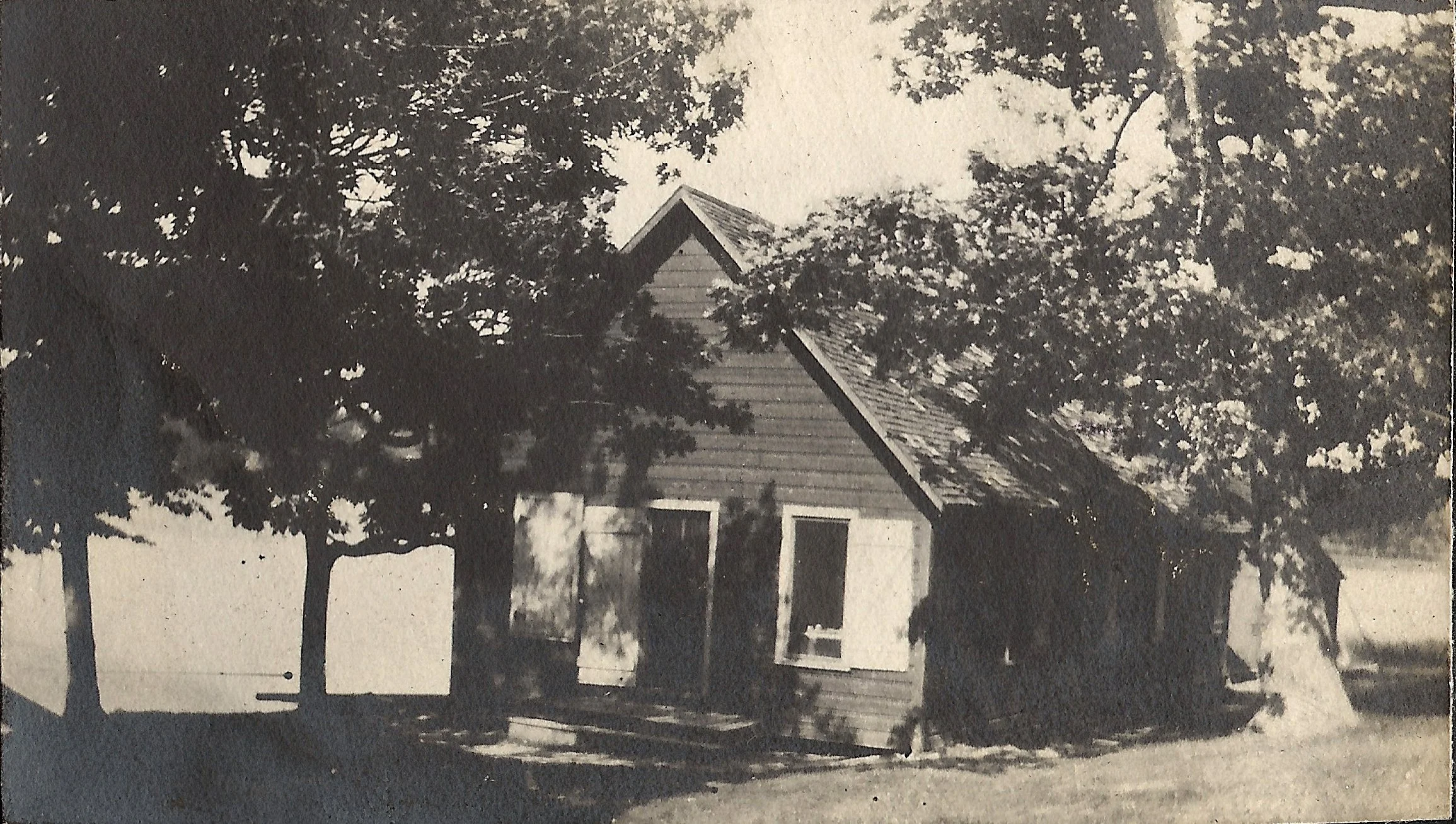
Original camp assembly building on the property circa 1900s.
1898
Camp Hope settled on a more permanent location on the shore of Phantom Lake at Idlewile Point on a property owned by the Chafin family.
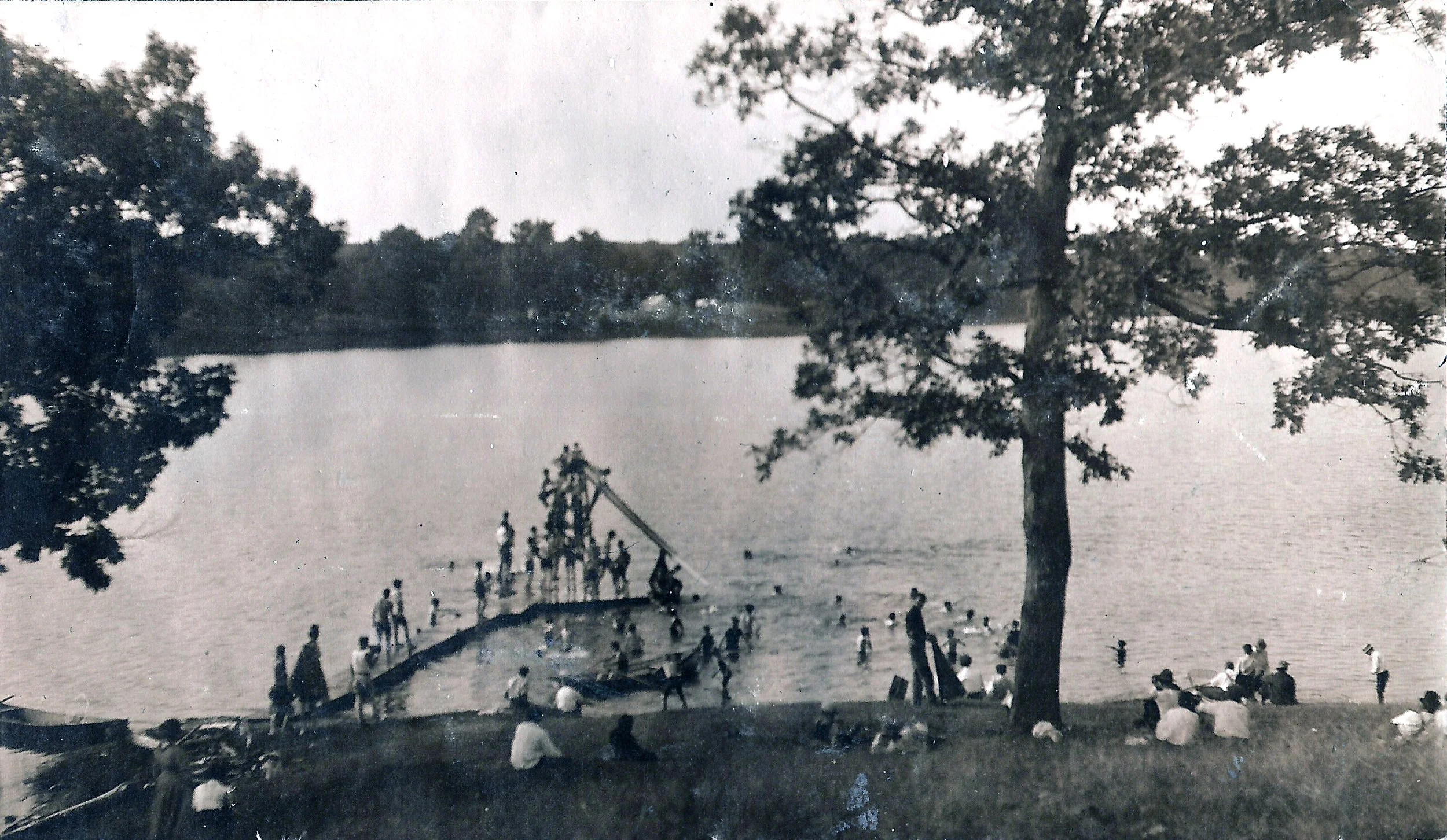
Swimming area on Phantom Lake during the early years of camp around the turn of the 20th century.
1908
W.H. Wones, Boys’ Work Secretary for the State YMCA Camp, proposed that the State YMCA Camp be held on the grounds of Camp Hope and the name was changed to Phantom Lake YMCA Camp (PLYC). At that point, PLYC acted as the YMCA Camp for the entire state of Wisconsin and was operated under the Milwaukee YMCA.
The property for the camp was purchased for $6,000 from the Chafin family thanks to campaigning from former campers and a large contribution from William Lindsay, a Milwaukee industrialist.
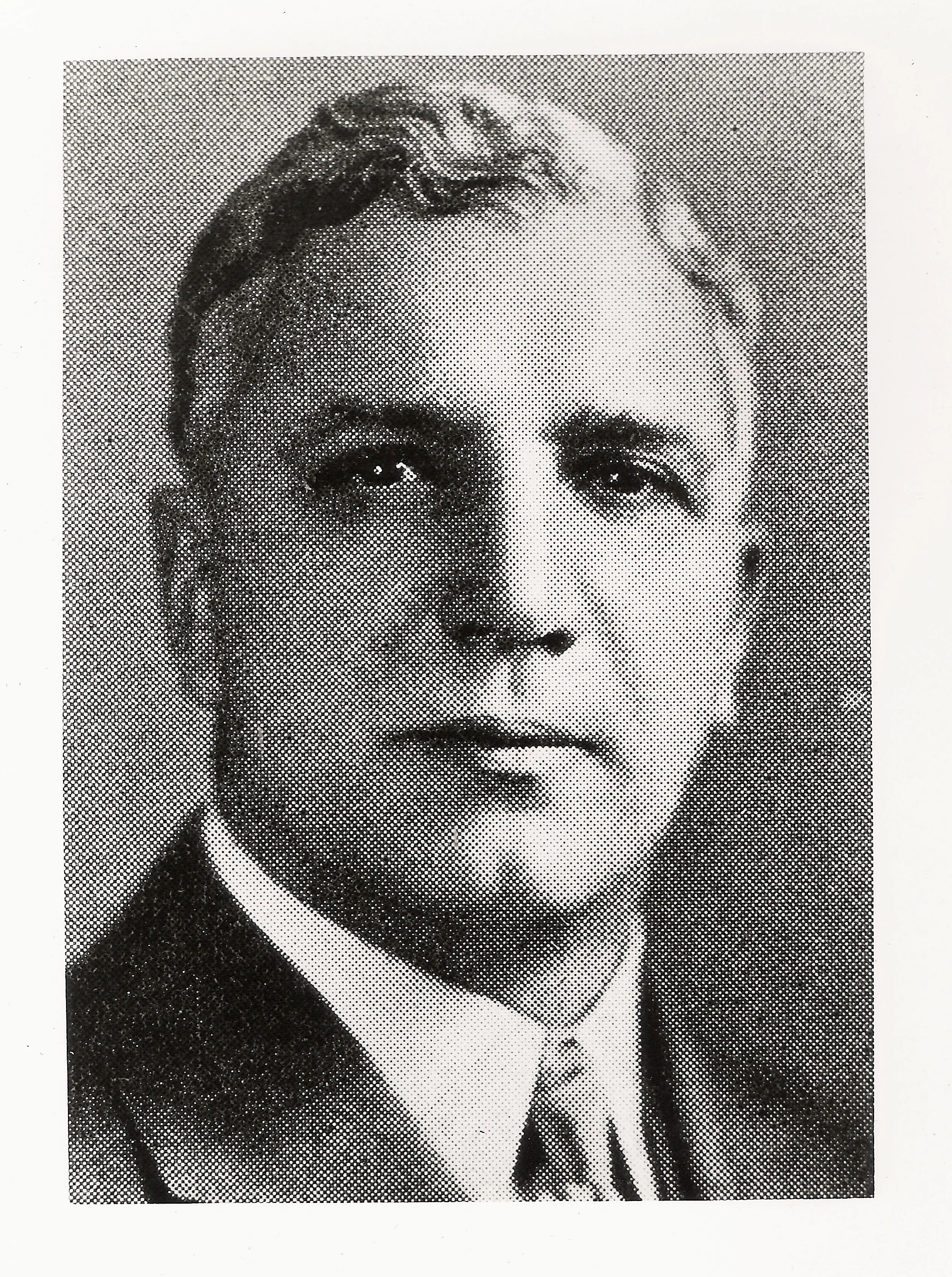
W.H. Wones, Boys Work Secretary for the State YMCA Camp for many years during the early 20th century. Established Phantom Lake YMCA Camp, as well as several other YMCA camps in the surrounding areas.
1926
C.B. Voorhis donated $2,700 for a new infirmary to be built on camp, still used today as our “Health Lodge”. He also contributed to the creation of the Voorhis Athletic Field (A-Field) and a new dining hall building to be constructed.
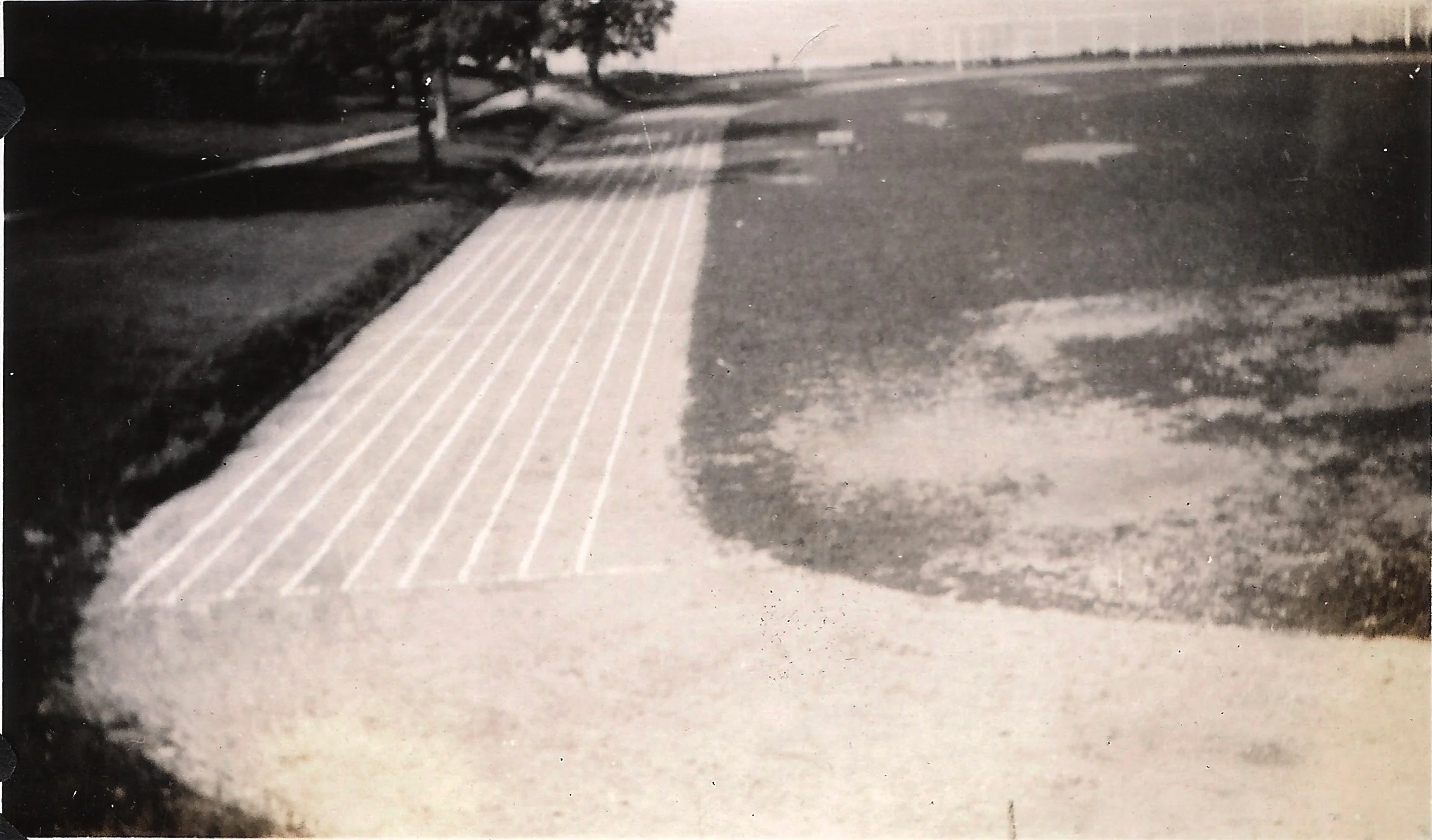
Track on the Voorhis Athletic Field circa early 1920s.
July 28, 1928
The Alford Lodge was dedicated after being added to the property thanks to a memorial donation from the Alford family. It has since been a favorite location for many camp games and activities and is the site where campers gather at the end of each residential camp session for their closing Square Ceremony.
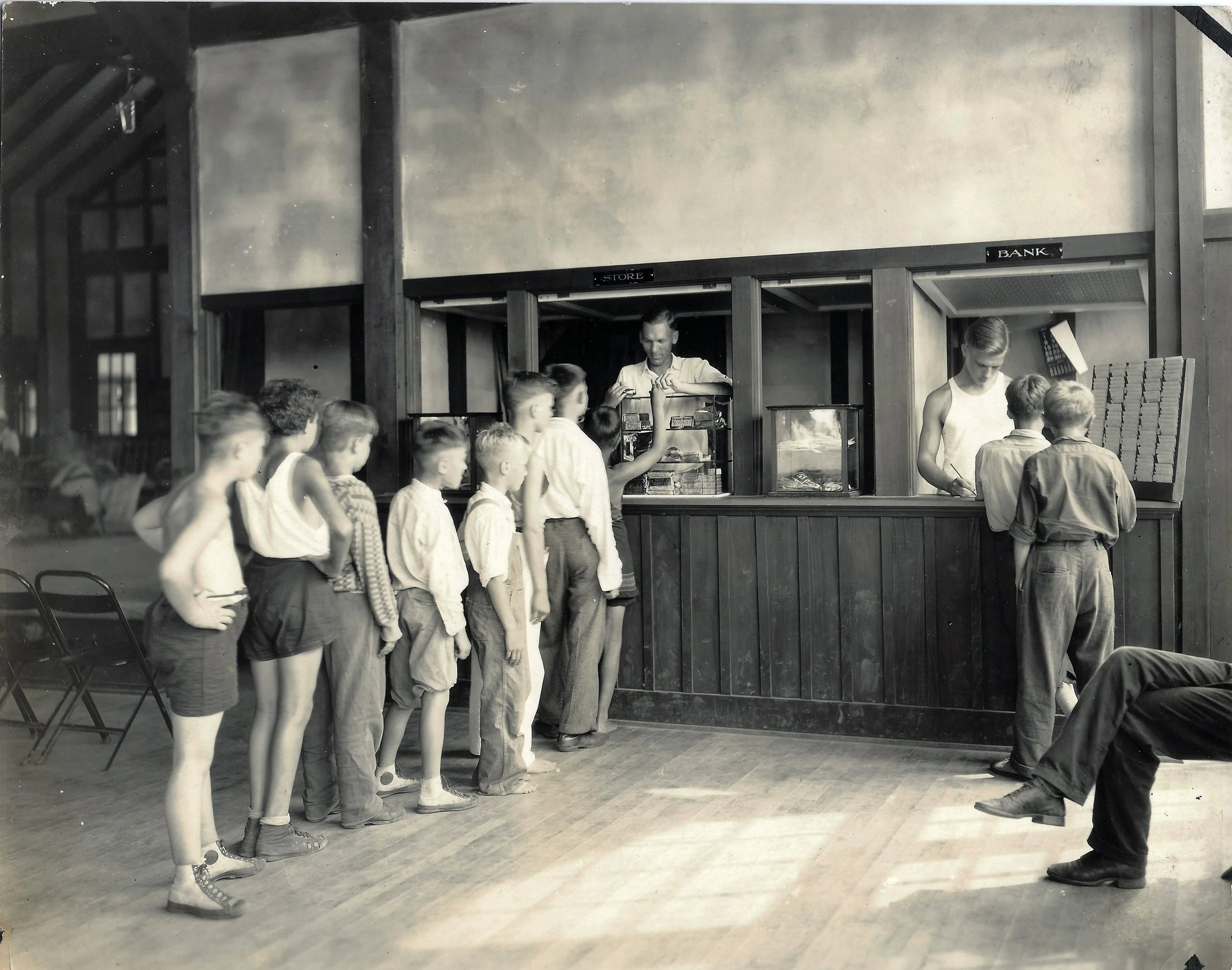
Camp store inside the Alford Lodge circa 1920s.
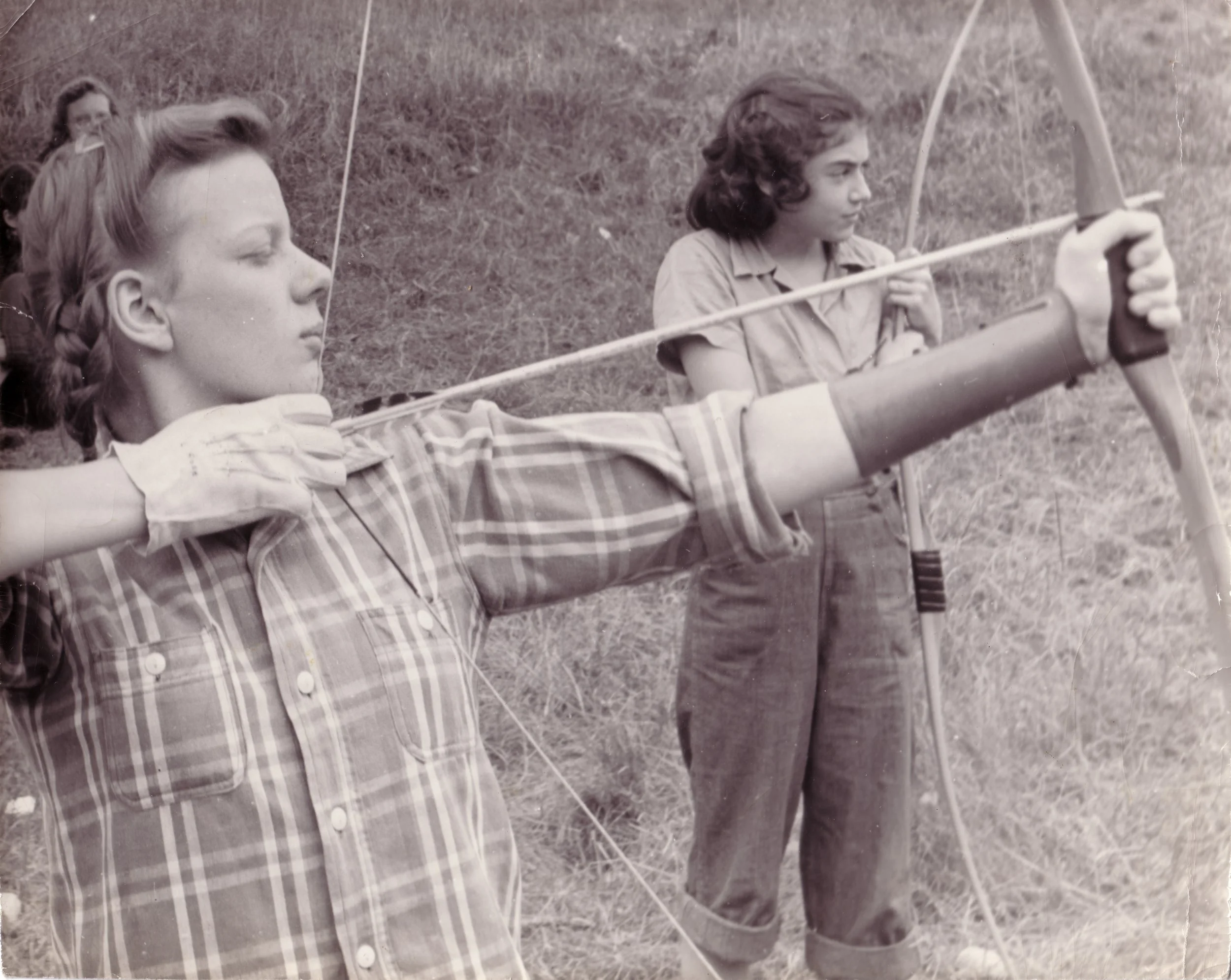
August 1931
The first Girls Camp opened at PLYC allowing girls to experience camp life. At the time, session fees were $9.50 for one week and $19.00 for two weeks. 150 girls attended during the two week camp session and activities such as handicraft, theater, archery, swimming, boating, and tennis were offered.
Girls using the archery range at during the 1930s.
1960
Thirty-acres of adjacent property was purchased allowing for more space for activities such as horseback riding and cookouts. PLYC has purchased multiple more acres of land over the years and now has 72 acres of property to host all camp games and activities.
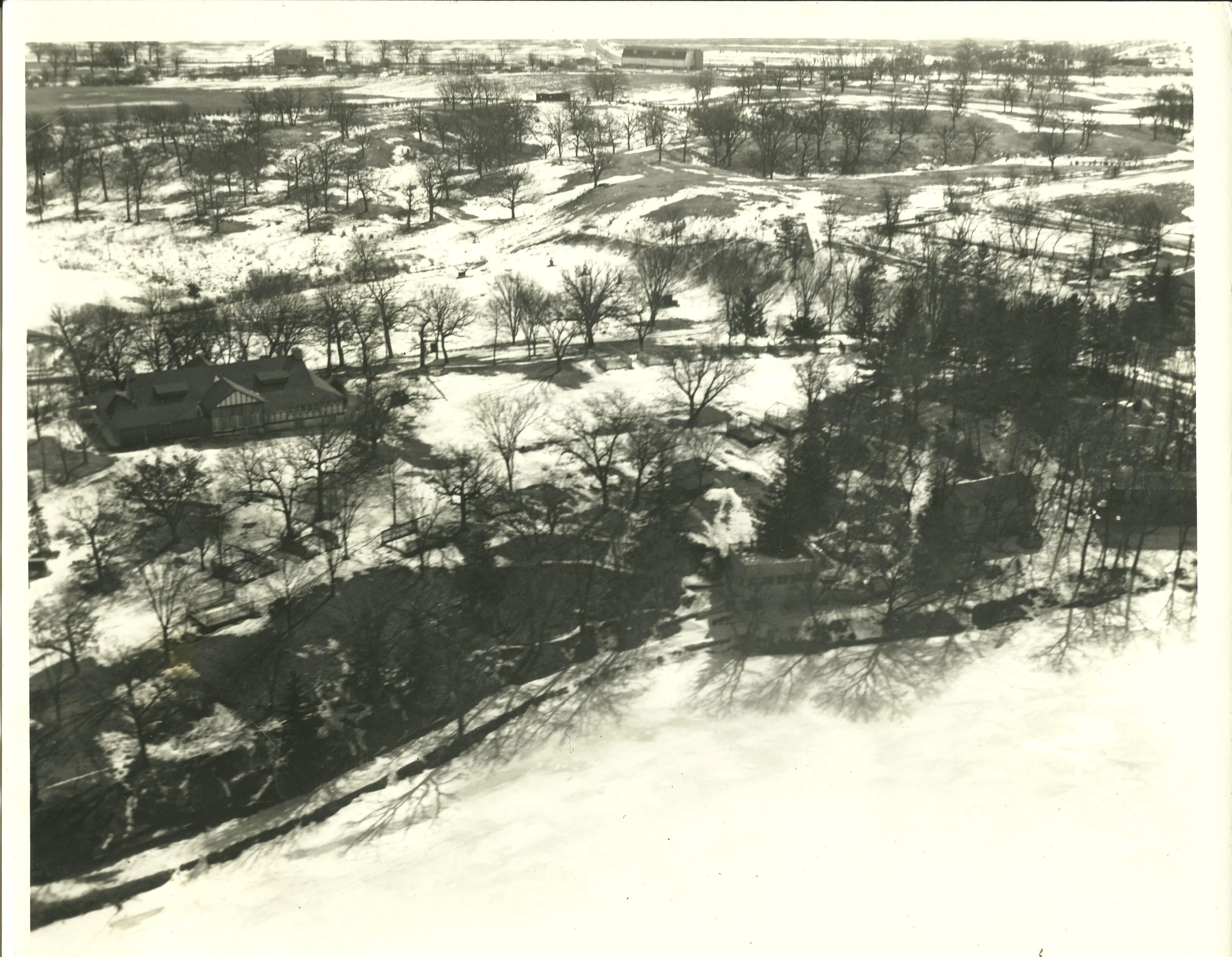
Aerial view of camp property during the 1960s.
1967
The Waukesha YMCA purchased PLYC for $75,000 from the North Central Council of YMCAs and operated it as an affiliate.
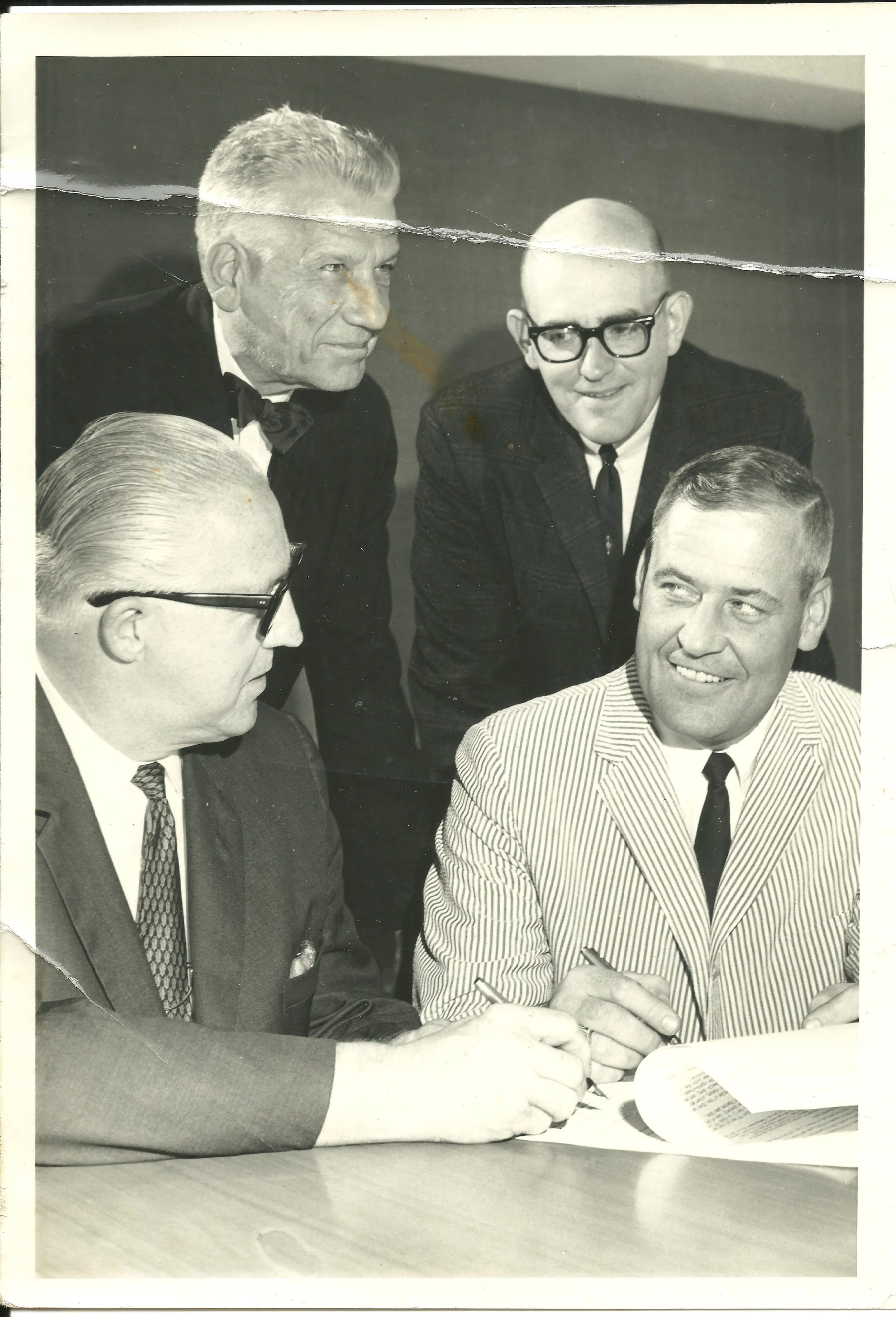
Signing of the deed transferring ownership of Phantom Lake YMCA Camp from the North Central Council of YMCA to the Waukesha YMCA in 1967.
1973
The Erich Lodge was constructed up on the hill overlooking Phantom Lake. It housed new bathroom facilities and a large dining area as it replaced the former dining hall building. It is still in use today as our dining hall and activity space.
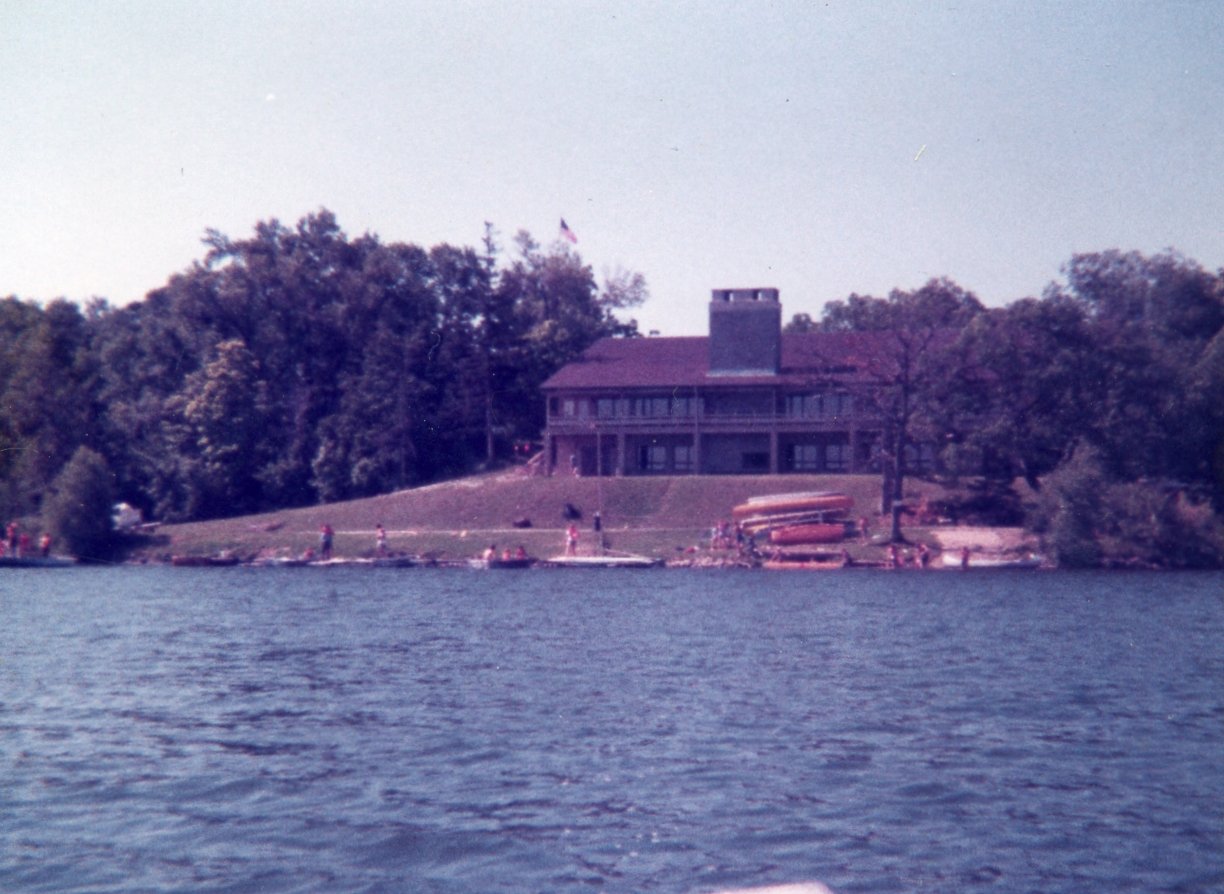
View of the Dining Hall from the Lake during the 1970s
1976
Winter Camp offered the first opportunity for girls and boys to share a session of camp together. One coed week was introduced the following summer and since then, coed weeks, have become the most popular sessions for campers to attend.
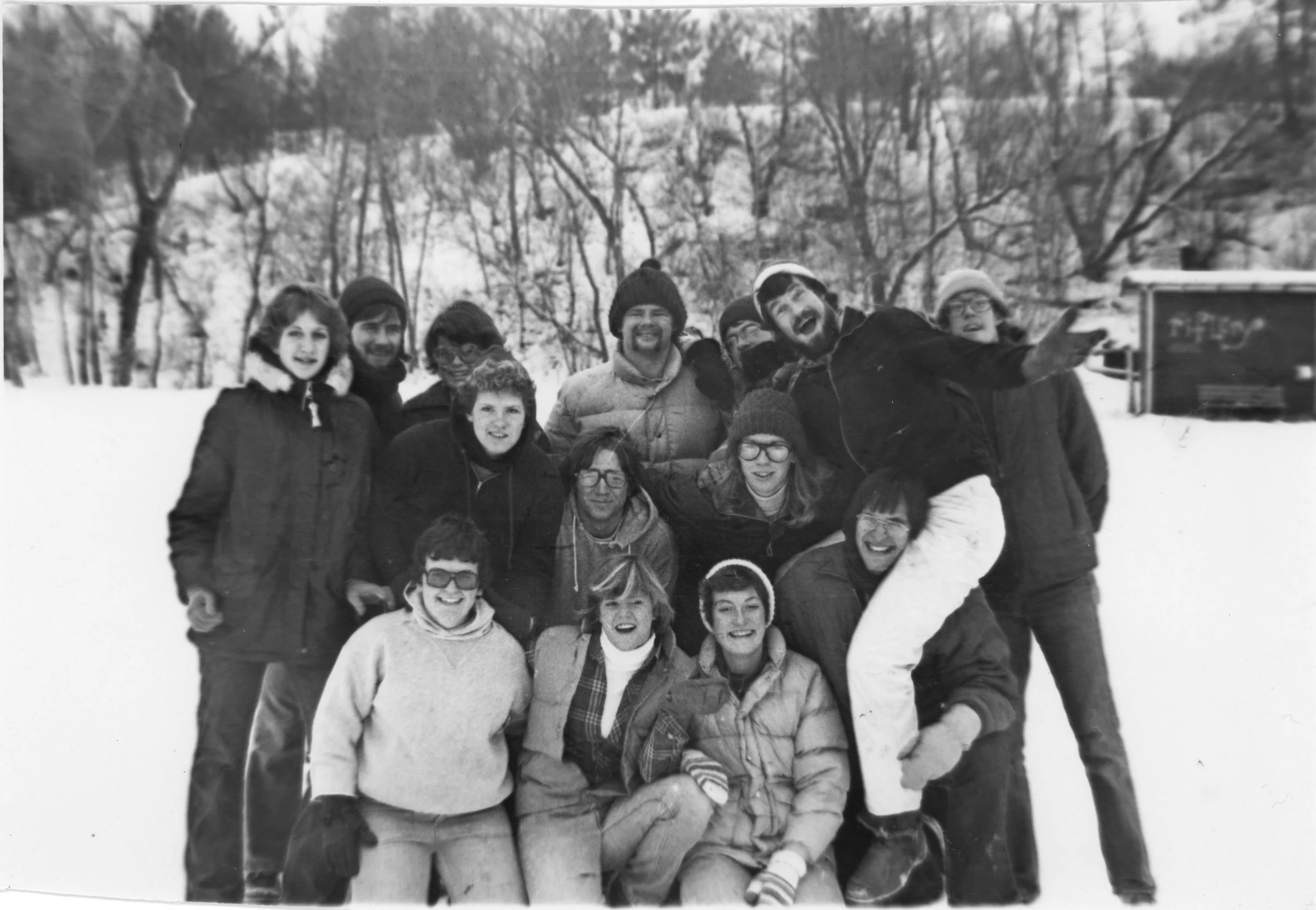
Group photo after a Winter Camp Football Game during the late 1970s
1984
A letter was sent to the Waukesha Y Board that outlined plans of selling the Phantom Lake YMCA Camp property and dismissing the permanent staff at the time.
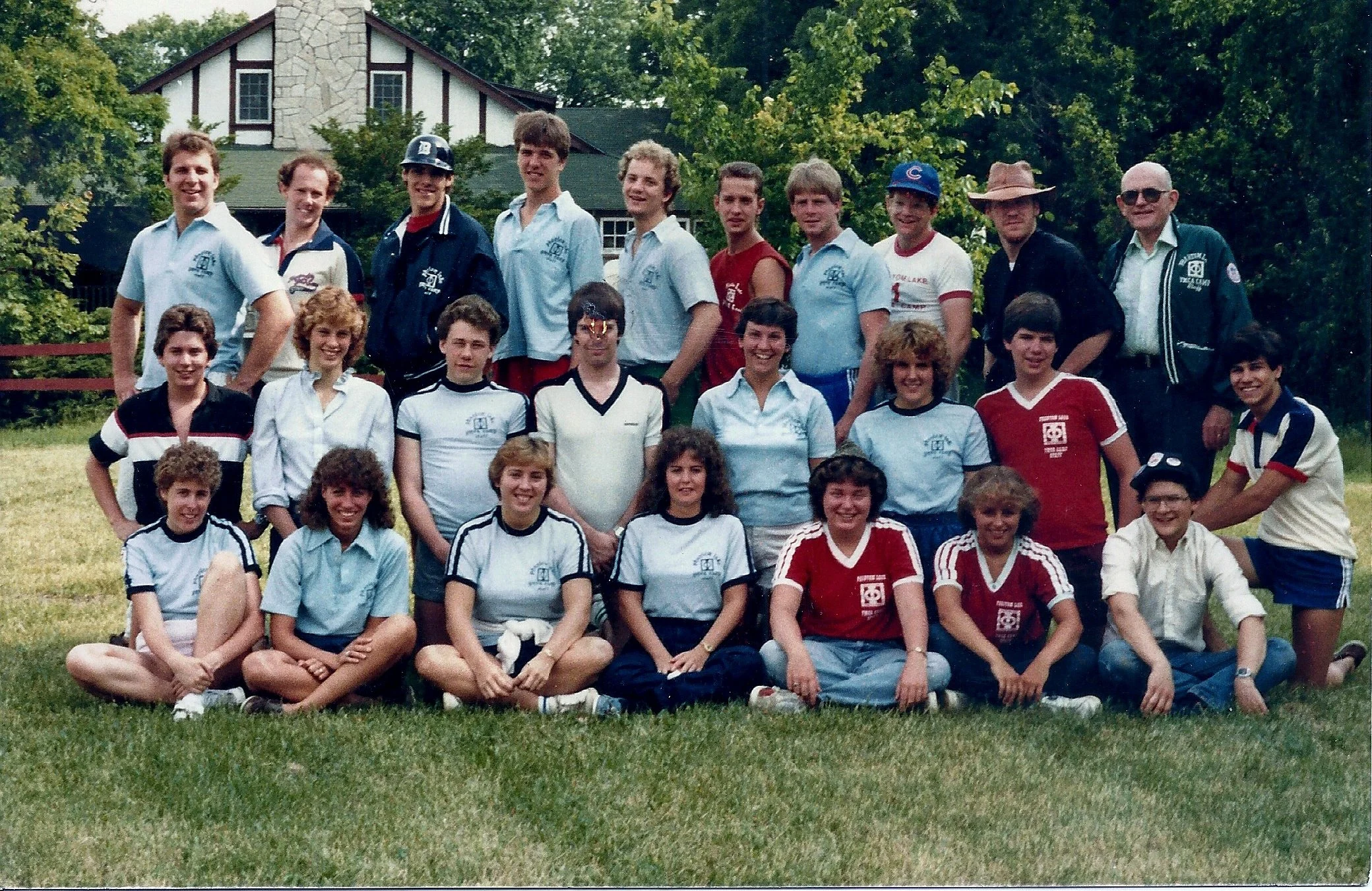
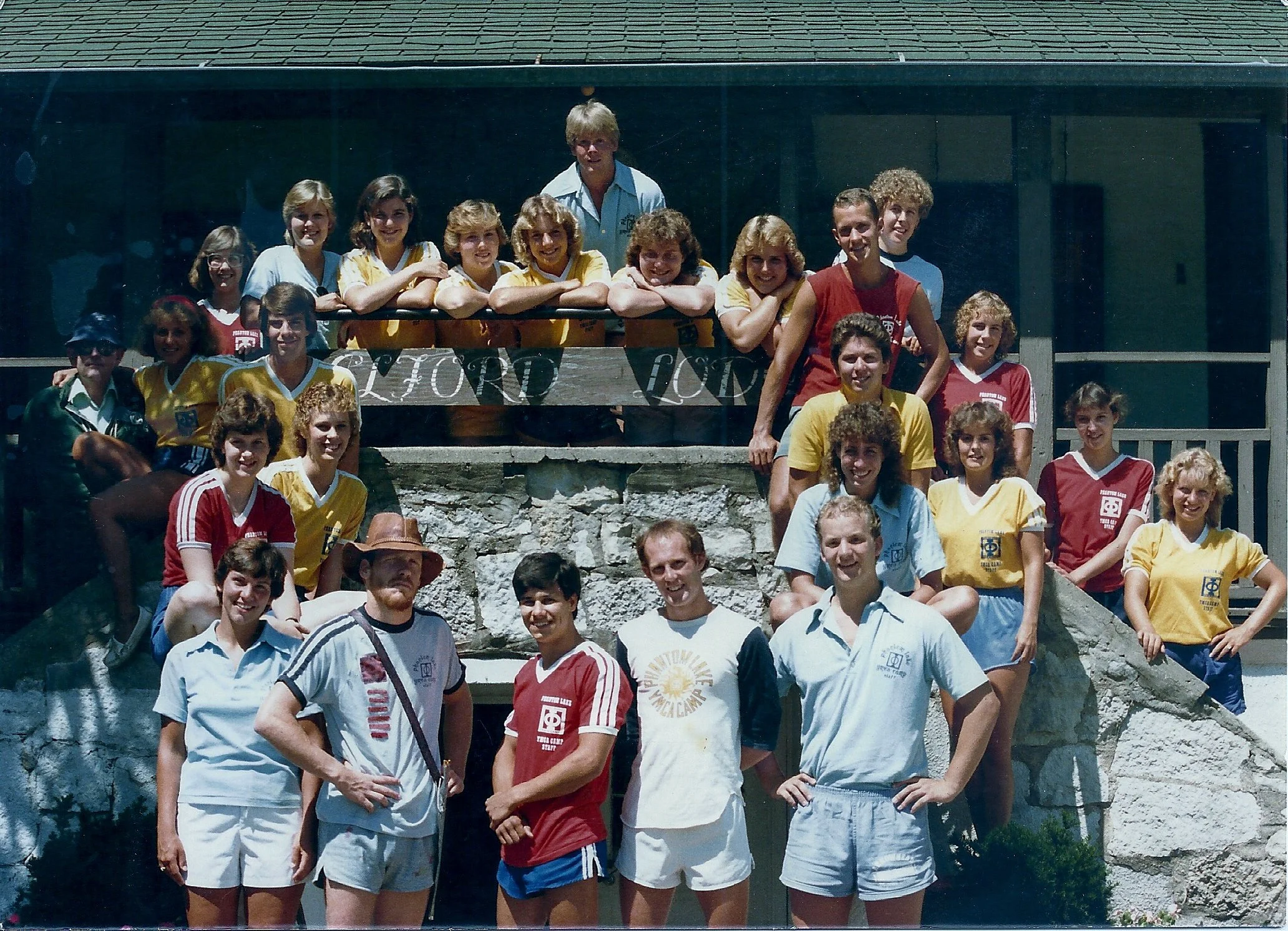
1984 Boys Camp Staff Group Photo
January 7, 1985
A group of PLYC alumni and community members, led by Jerry “Sir G” Carman, came together to purchase the camp property from the Waukesha YMCA. After meetings and negotiations, the deed to camp was officially signed and PLYC became an independent YMCA. Phantom Lake YMCA Camp has been operating as an independent YMCA Camp ever since.
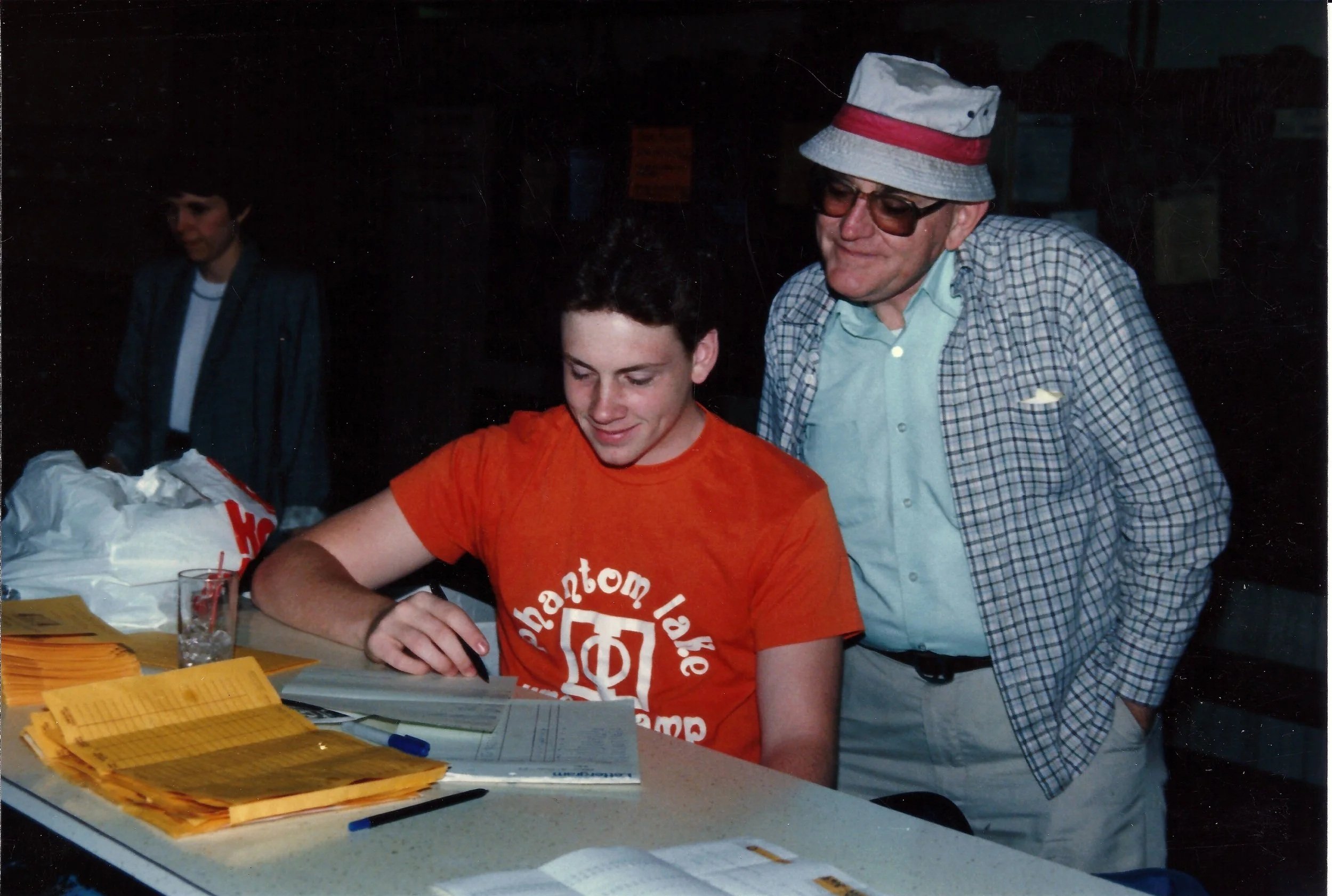
Jerry “Sir G” Carman with staff member, Sean Carrigan.
2016
The Carman Welcome Center, named for Jerry “Sir G” Carman’s and Sue “Lady Sue” Carman’s longtime support of camp, was dedicated. It is now used as an activity space, office space, and the first place that visitors see when entering camp.
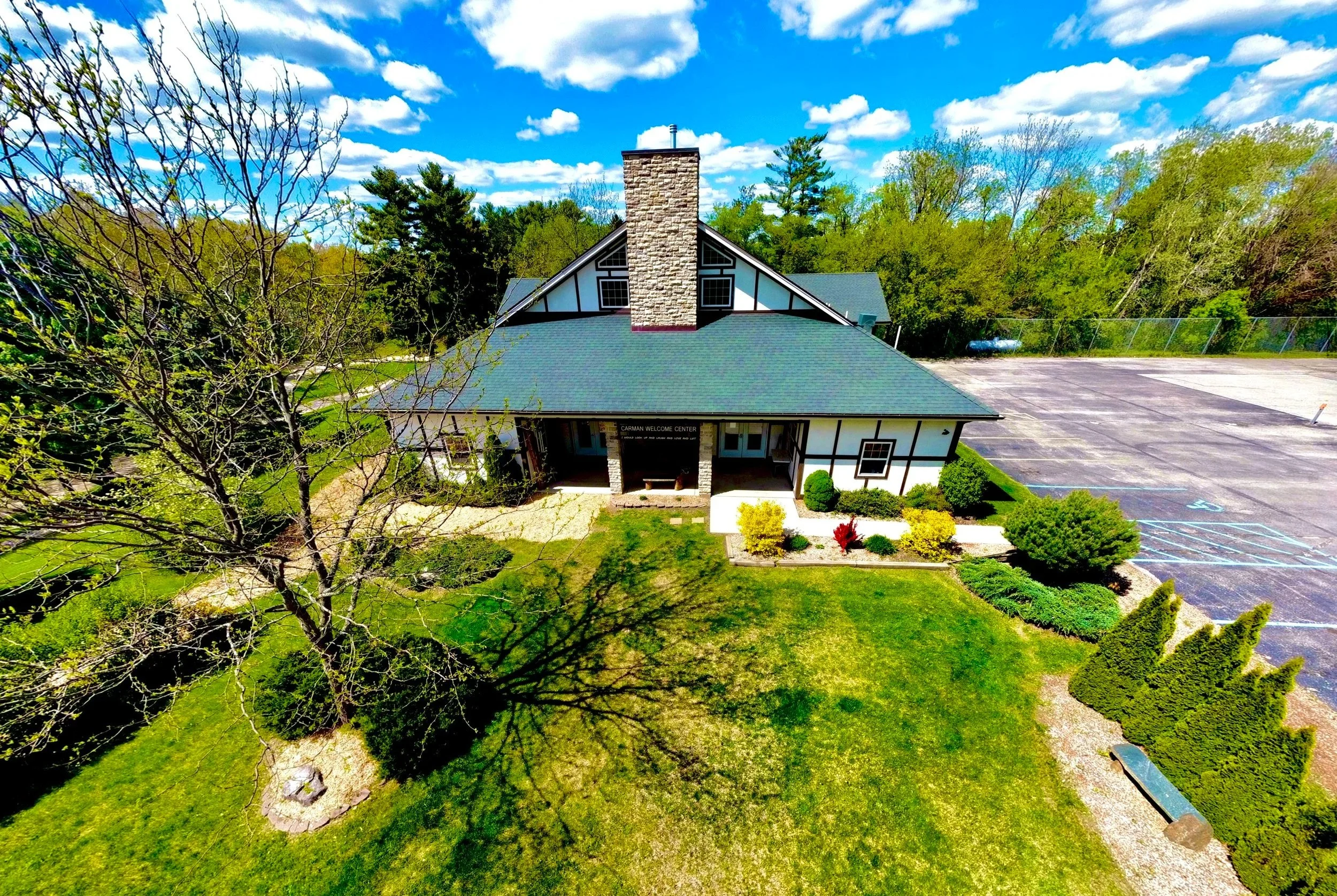
Current photo of the Carman Welcome Center building.
Camp Today
Phantom Lake is still the thriving independent YMCA Camp that it has come to be known as. It houses 25 platform tents in seven different units for campers to stay in, many more than were documented in 1955. PLYC hosts campers and staff from all over the world and supports campers equitably regardless of background and ability level.
Photos Archive
-
![]()
1896-1919
-
![]()
1920-1929
-
![]()
1930-1939
-
![]()
1940-1949
-
![]()
1950-1959
-
![]()
1960-1969
-
![]()
1970-1979
-
![]()
1980-1989
-
![]()
1990-1999
-
![]()
2000-2009
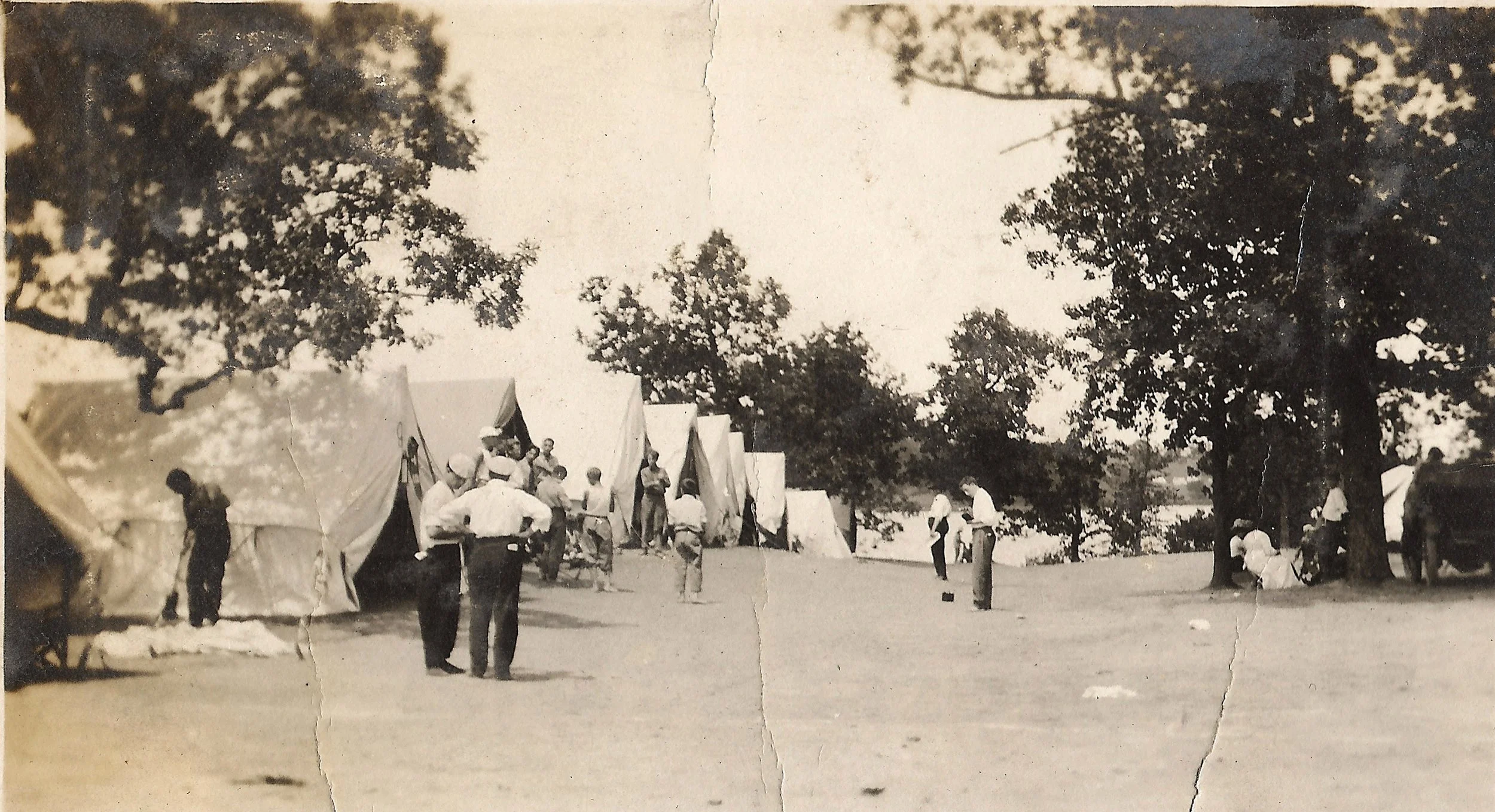
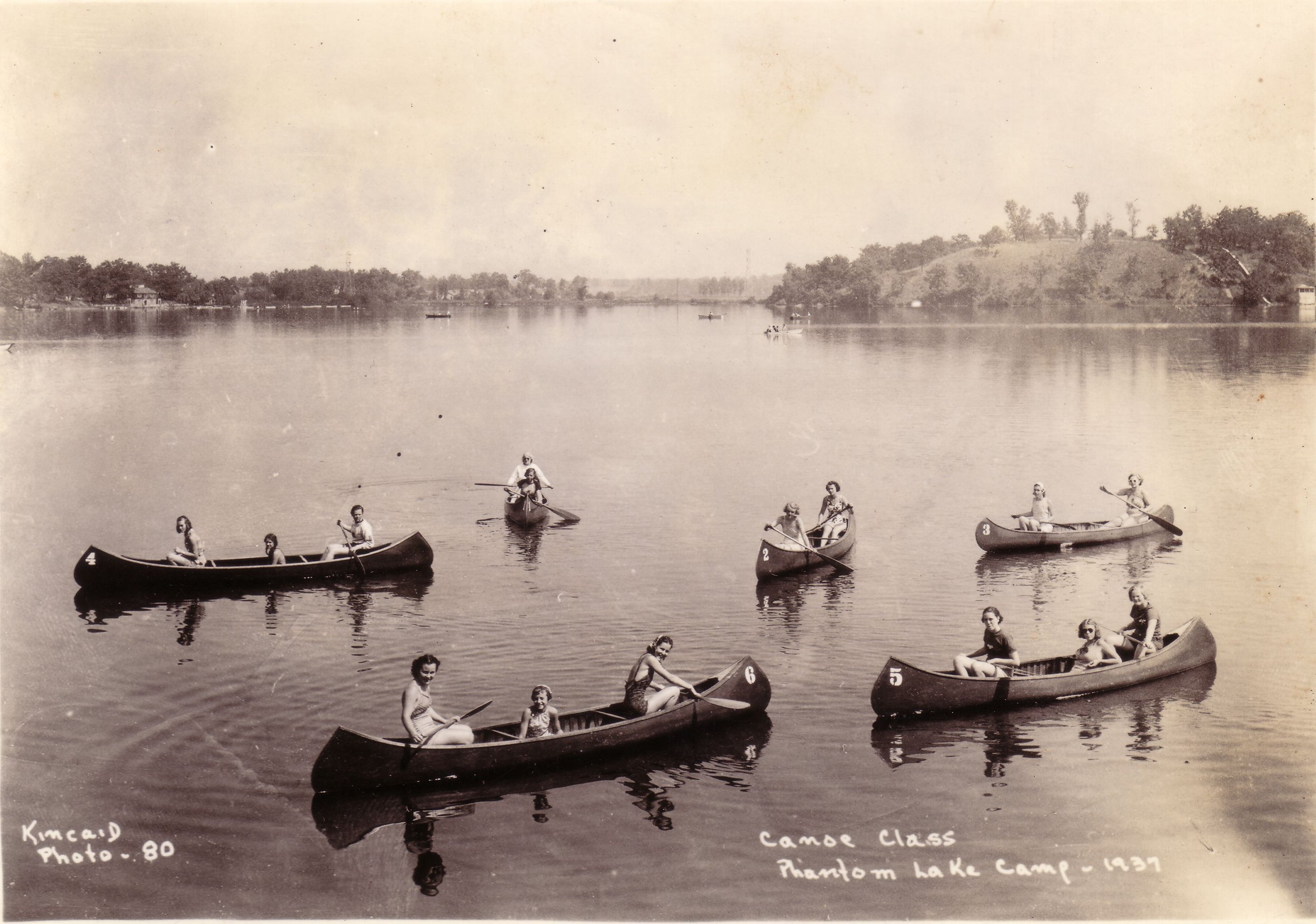
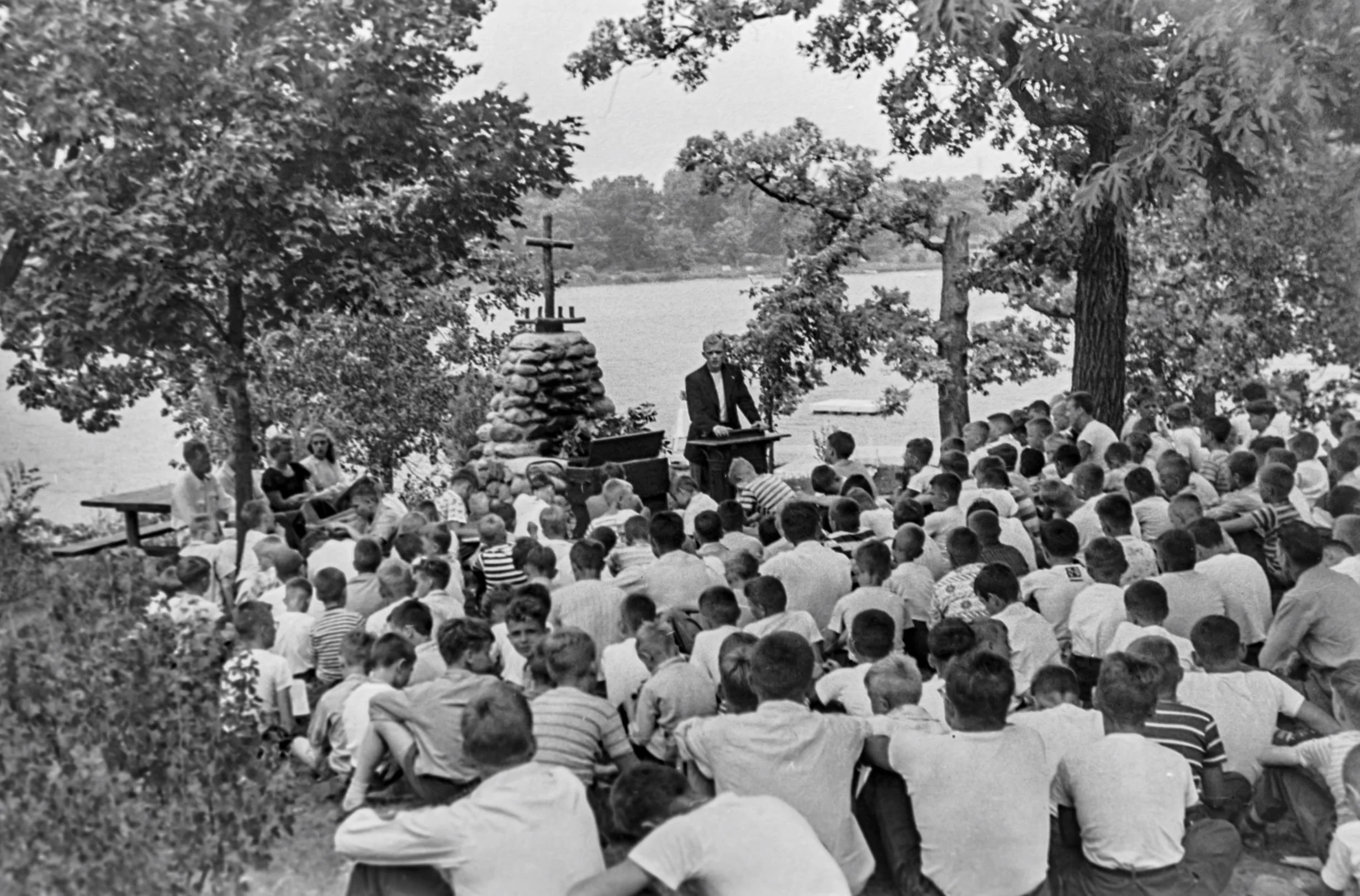
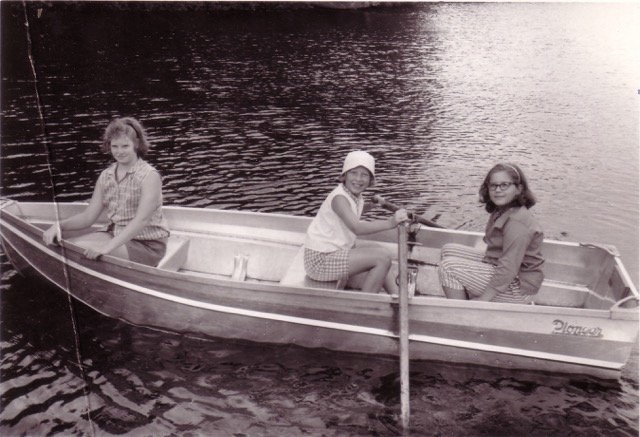
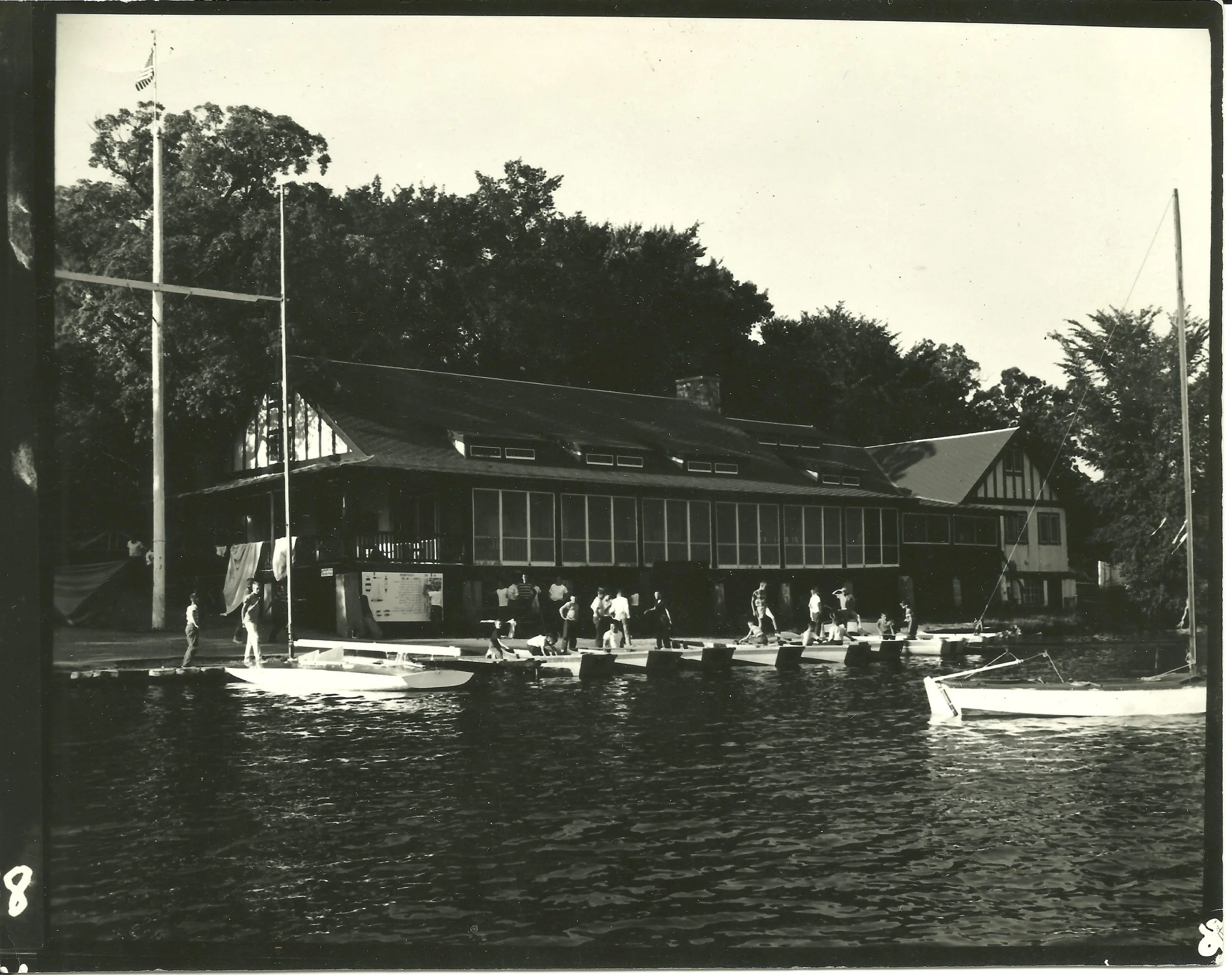
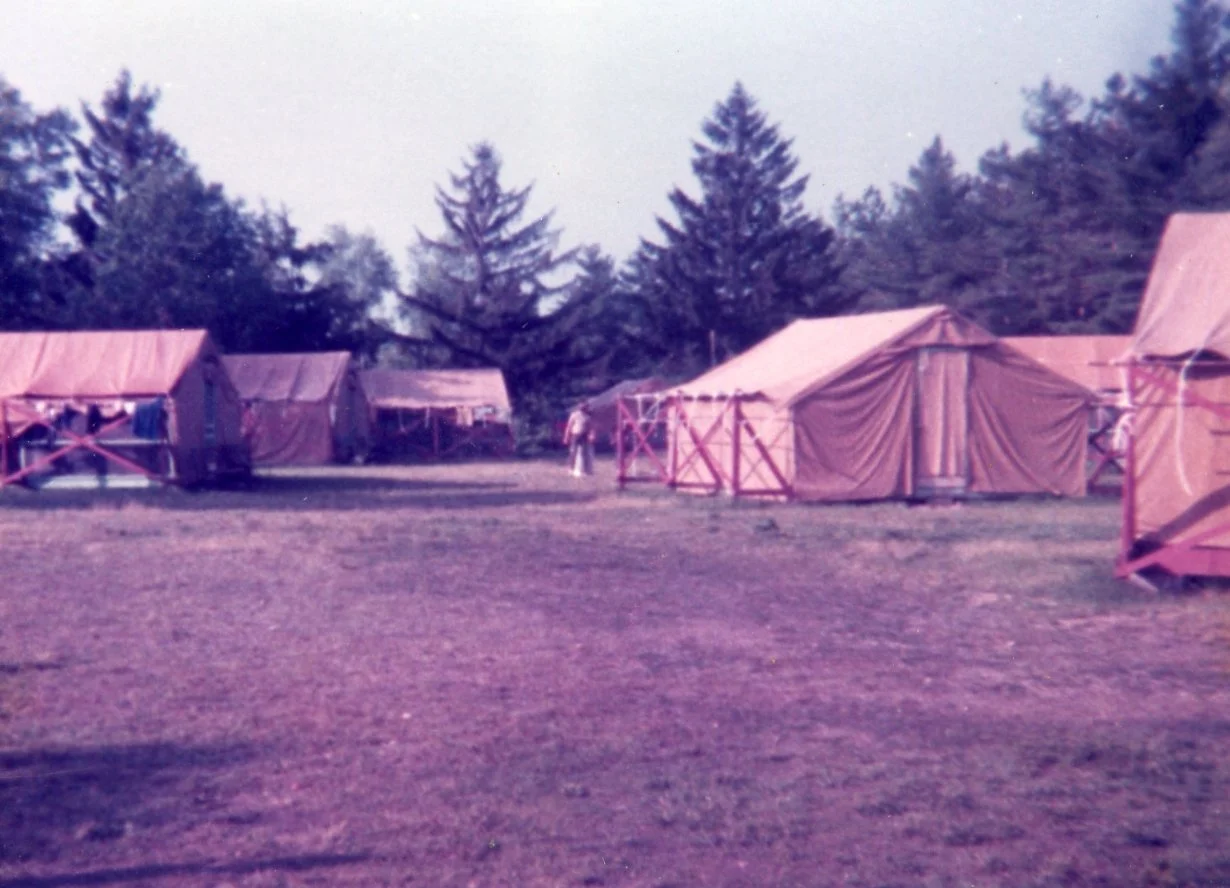
These photos were digitized through scanning processes completed by a small team of alumni supporters. We could not have the caliber of archives we do without their continued support of our PLYC mission. Thank you to all of the alumni who have supported us throughout our 130-year history and a special thanks to those who dedicated time and resources to digitizing our long-standing history.
We Want to Hear Your Stories
Our archives are dependent on support from community members and PLYC alumni. Do you know any information on these photos or have photos of your own that you would like to submit to our archives?
Contact Audrey Dalum, VP of External Affairs
audrey@phantomlakeymca.org
S110W30240 YMCA Camp Road
Mukwonago, WI 53149
United States